




Why Climate-Responsive Architecture Matters More Than Ever in South India
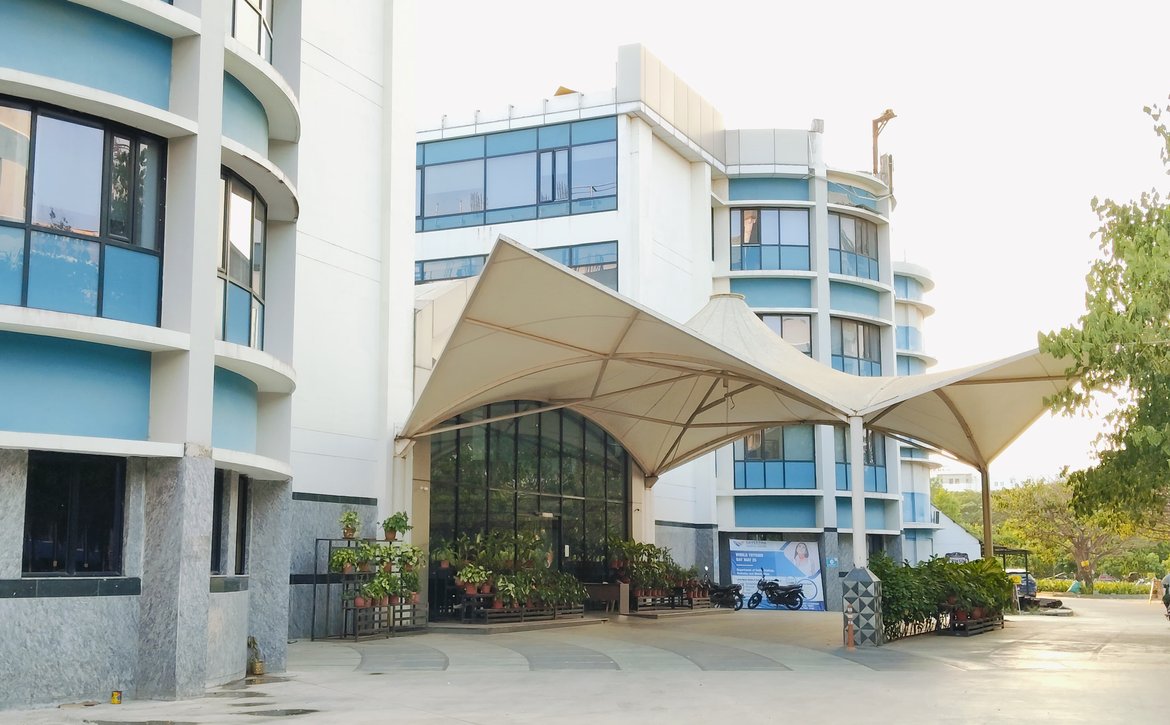
South India’s tropical climate — characterized by intense heat, heavy monsoons, and high humidity — poses unique challenges for architects and engineers. Buildings that ignore these conditions end up consuming excessive energy, trapping heat, and deteriorating faster. Climate-responsive architecture offers a smarter alternative: designing structures that work with the environment rather than against it.
Understanding the South Indian Climate Challenge
Chennai, for instance, experiences peak temperatures above 40 degrees Celsius in summer, receives heavy northeast monsoon rainfall, and maintains high relative humidity year-round. A building designed without considering these factors will rely heavily on mechanical cooling, face water seepage issues, and provide poor indoor comfort despite high energy bills.
Key Principles of Climate-Responsive Design
Orientation and Natural Ventilation
Positioning a building to capture the prevailing south breeze while minimizing western sun exposure is the simplest and most effective strategy. At V3 Design & Consultants, our residential projects consistently prioritize cross-ventilation — ensuring every room has access to natural airflow. The Saveetha Director Residence, for example, was specifically oriented to maximize the south breeze, significantly reducing dependence on air conditioning.
Heat-Reflective Materials
Material selection directly impacts indoor temperatures. ET 450 glass, which we specified for the Saveetha Director Residence, reduces solar heat gain by up to 50% compared to standard glazing. Hollow tile roofing provides natural insulation, keeping upper floors cool without additional treatment. These are not experimental technologies — they are proven, cost-effective solutions that pay for themselves through reduced electricity bills.
Rainwater Management
With Chennai receiving an average of 1,400mm of annual rainfall, effective water management is essential. Our institutional projects incorporate rainwater harvesting systems, permeable paving, and stormwater drainage that prevent waterlogging while recharging groundwater. The Pupil Saveetha Eco School campus integrates these systems as part of its IGBC Platinum certification.
Daylight Optimization
Large windows, light shelves, and reflective interior finishes reduce the need for artificial lighting during daytime hours. When combined with energy-efficient LED systems for evening use, buildings can cut lighting energy consumption by 40-60%.
The Business Case for Green Design
Climate-responsive design is not just environmentally responsible — it makes financial sense. Buildings that consume less energy, require less maintenance, and provide healthier indoor environments command higher rental yields and resale values. For institutional and commercial clients, green certifications like IGBC also enhance brand reputation and attract quality tenants.
Build Smarter with V3
V3 Design & Consultants has delivered IGBC-certified green buildings, energy-efficient pharmaceutical facilities, and climate-responsive homes across South India. Whether you are planning a residence or a commercial development, we can help you design a building that performs better and costs less to operate. Talk to our team today.